Free UK shipping
Fast results
UK lab
⭐ 10% Off All Tests - March Special
Senior DNA Scientist and Lab Manager
Published 17/10/2025
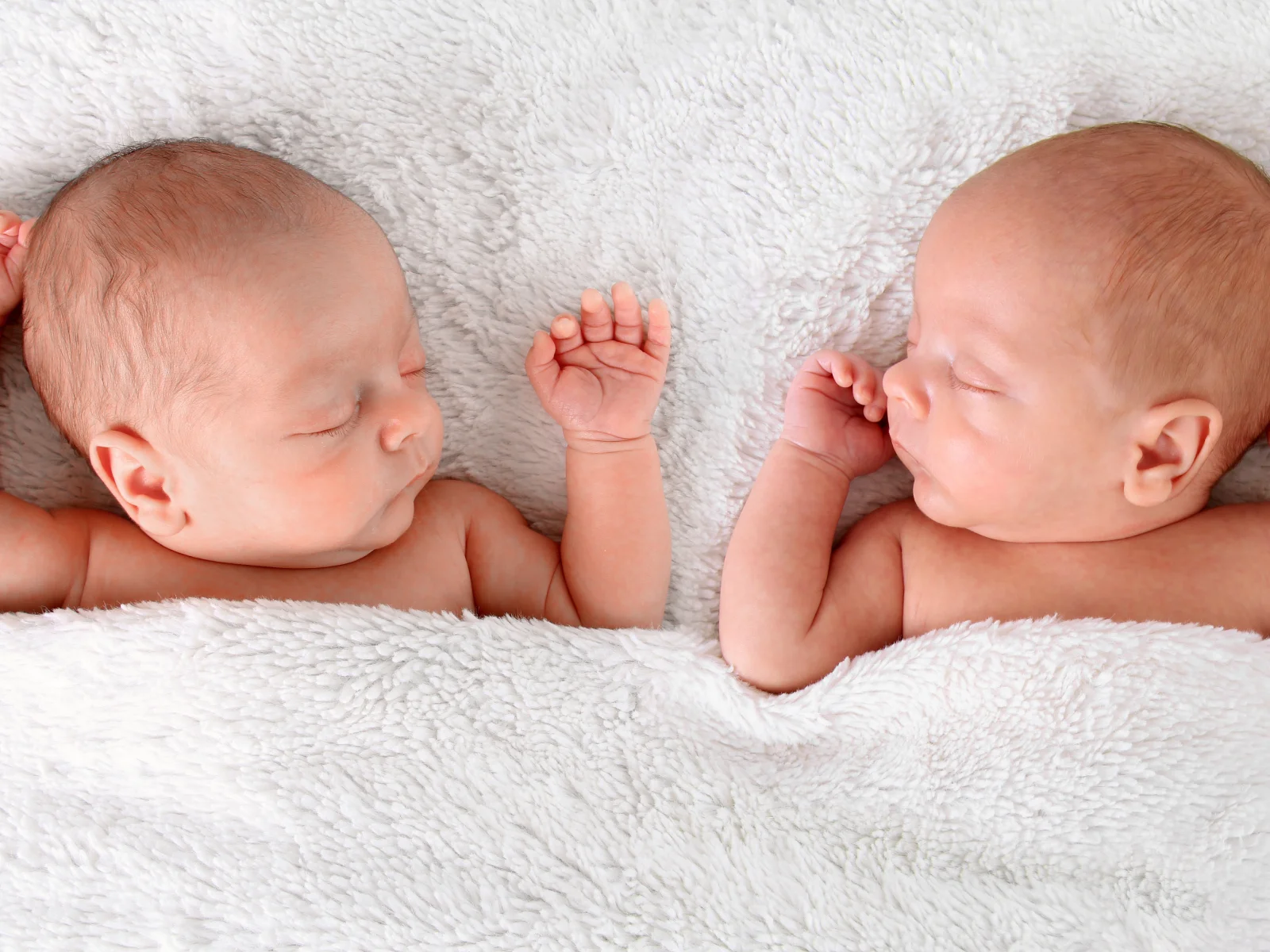
In the UK, roughly 12,000 sets of twins are born every year, and about one-third are identical. At AssureDNA, we’re often asked whether identical twins share exactly the same DNA — and whether a DNA test could ever tell them apart.
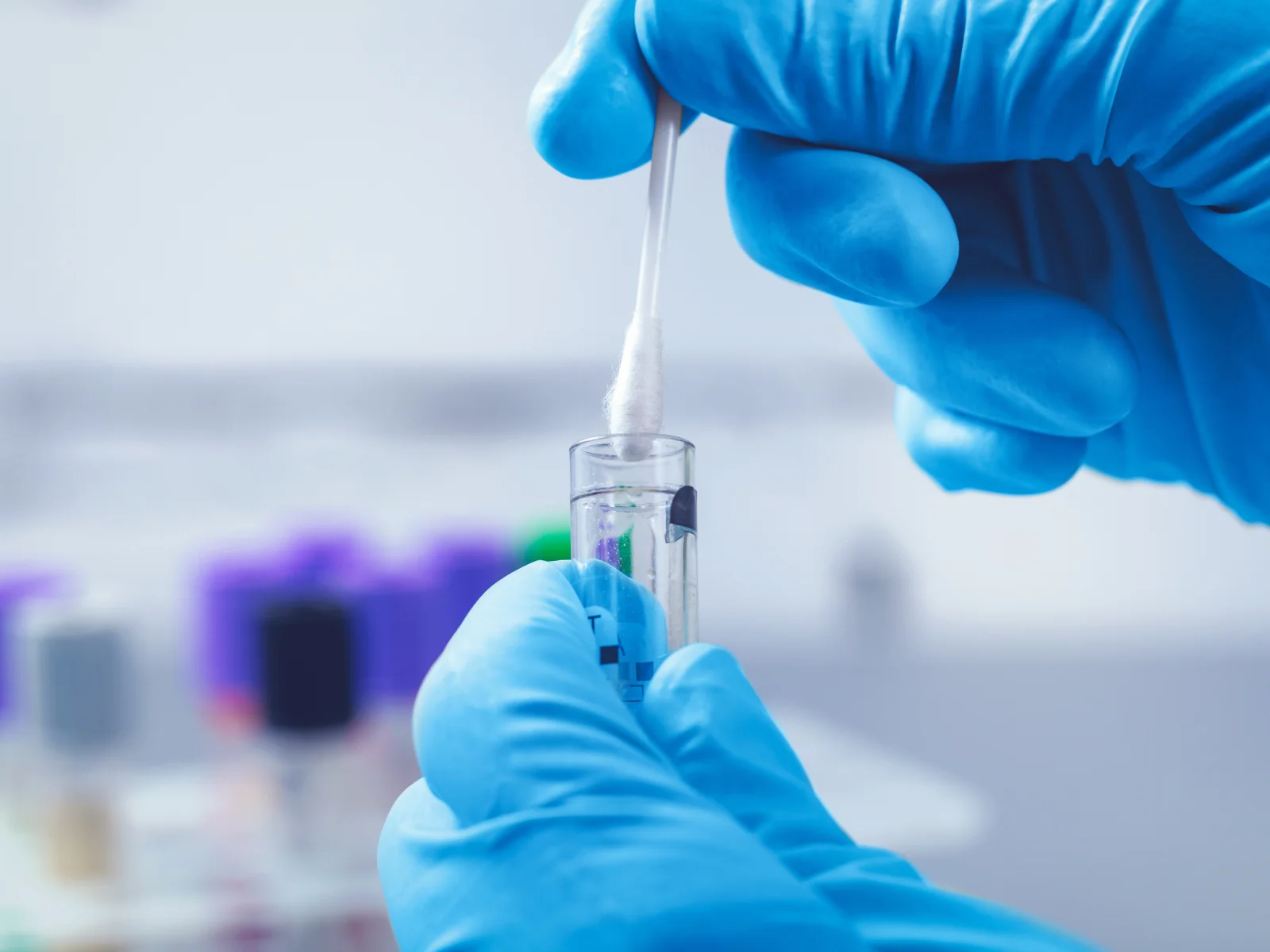
At AssureDNA, we've streamlined our DNA testing process to ensure fast, discreet results are delivered directly to you when you need them. That said, the time it takes to receive your results can vary depending on several factors. To help you better understand the process, we've created a guide that explains the order process and how long you can expect to wait to receive your at-home DNA test results.
Published 14/08/2025
When you need answers about biological relationships, a sibling DNA test can provide the clarity you’re looking for. This test helps determine whether two individuals share one or both biological parents — especially useful when the alleged father or mother is unavailable for direct testing. At AssureDNA, we make the process simple, discreet, and accurate, with results typically ready within the next working day from receiving your samples.
Published 08/07/2025
If you’ve taken a sibling DNA test, aunt/uncle (avuncular) DNA test, or a grandparent DNA test, you might expect a simple "yes" or "no" answer. But relationship testing works a little differently. Instead of giving a binary result, these tests use a statistical approach called a likelihood ratio, which calculates how much more likely the tested relationship is—compared to the individuals being unrelated.
Published 23/04/2025
Paternity fraud is a massive issue and can be front page news! Globally, paternity fraud rates vary. In the UK, the average rate of cases is 1.6%, whereas in countries like Nigeria and Jamaica, the rates average 30% and 34.6%, respectively.
Published 07/01/2025
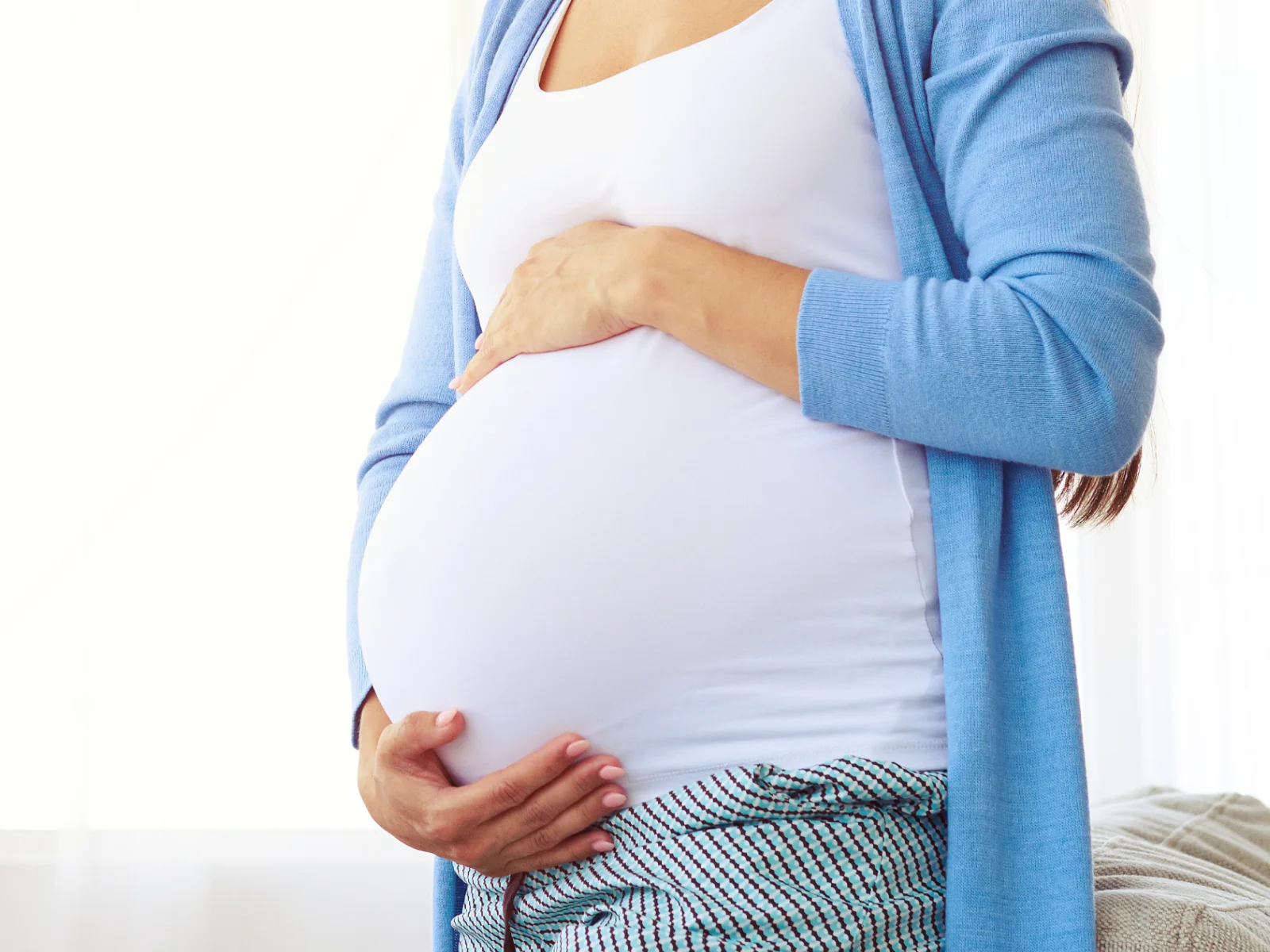
At AssureDNA, we often hear a surprising question when it comes to prenatal paternity testing: “How do you swab an unborn child?” “Is prenatal testing dangerous for my baby?” or “What are the risks of a prenatal test?” It’s an understandable query – after all, cheek swabs are a hallmark of DNA testing, and you can’t get a swab in the womb.
 Free UK shipping
 Fast results
 UK labFree UK shippingFast resultsUK lab